Understanding the Condition
The liver is one of the body’s most important organs, responsible for hundreds of essential functions including processing nutrients, filtering blood, storing energy, and producing proteins needed for normal health.
Like many organs, the liver can develop different types of tumor. Some are benign and do not require treatment, while others are malignant and may require further investigation or therapy.
At Nordic Focal Therapies, we specialise in the diagnosis and image-guided management of selected liver tumor. Using advanced imaging and interventional radiology expertise, we help patients understand their condition and explore personalised treatment options.
What Are Liver Tumor?
A liver tumour is an abnormal growth of cells within the liver. Liver tumor are divided into two main categories:
Primary Liver Tumor
Primary liver tumor originate from cells within the liver itself.
The most common malignant primary liver tumour is hepatocellular carcinoma (HCC), which develops from liver cells called hepatocytes.
Primary liver cancer is often associated with:
Chronic liver disease
Liver cirrhosis
Hepatitis infections
Long-term liver inflammation
However, it can also occur in patients without known liver disease.
Secondary Liver Tumor (Liver Metastases)
Secondary liver tumor occur when cancer from another part of the body spreads to the liver.
The liver is a common site for metastases because of its rich blood supply.
Common sources include:
Colorectal cancer
Breast cancer
Pancreatic cancer
Kidney cancer
Lung cancer
Melanoma
The management of liver metastases depends on factors such as the original cancer type, number and location of lesions, and the patient’s overall treatment plan.
Benign Liver Lesions
Not every liver lesion is cancer.
Many liver findings discovered during imaging are benign and may only require monitoring.
Common benign liver lesions include:
Liver cysts
Haemangiomas
Focal nodular hyperplasia (FNH)
Hepatic adenomas
When imaging does not provide a clear diagnosis, additional imaging or biopsy may be recommended.
Symptoms of Liver Tumor
Many liver tumor do not cause symptoms in their early stages. Increasing use of advanced imaging means that many liver lesions are discovered incidentally during examinations performed for unrelated reasons.
When symptoms occur, they may include:
Persistent discomfort or pain in the upper right abdomen
Unexplained weight loss
Loss of appetite
Fatigue
Feeling full after eating small amounts
Yellowing of the skin or eyes (jaundice)
Changes in liver function tests
These symptoms are not specific to liver tumor, which is why accurate imaging and specialist assessment are essential.
How Liver Tumor Are Diagnosed
A correct diagnosis is the foundation for choosing the most appropriate management approach.
Assessment usually combines imaging, clinical information, laboratory tests, and sometimes tissue sampling.
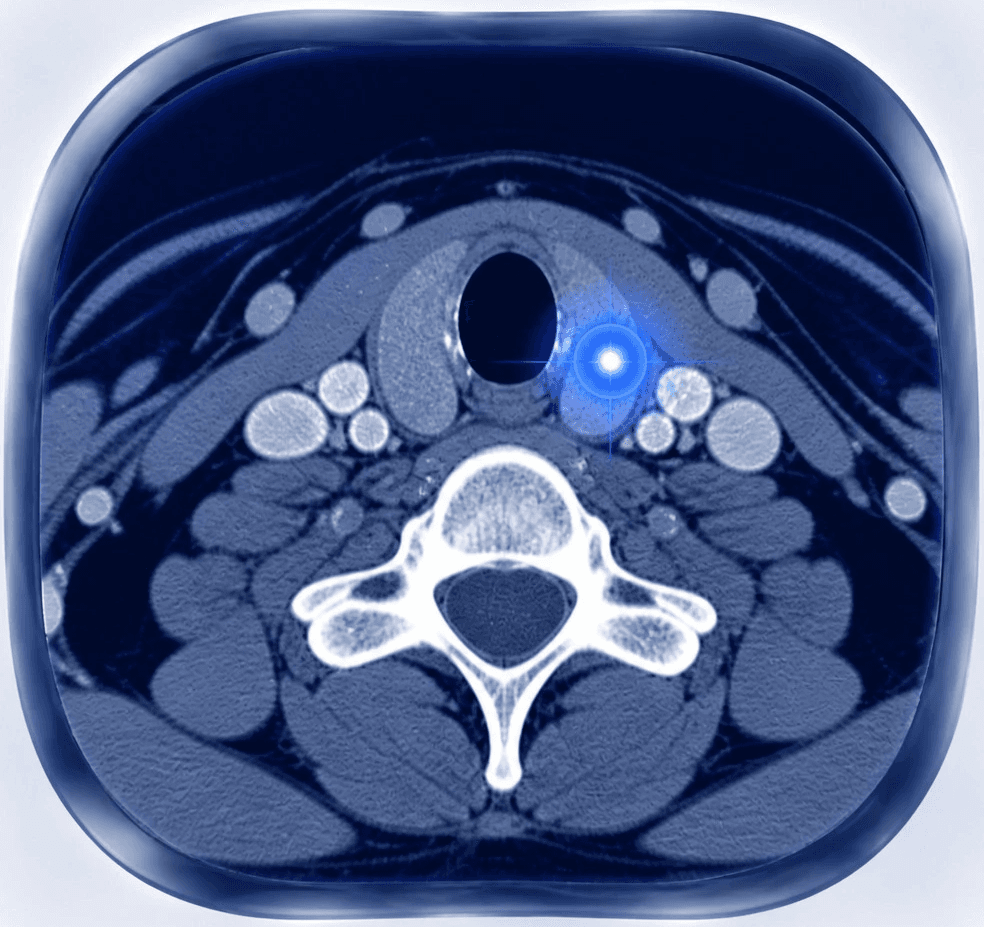
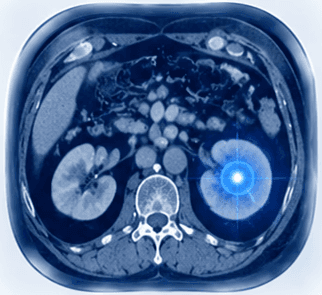
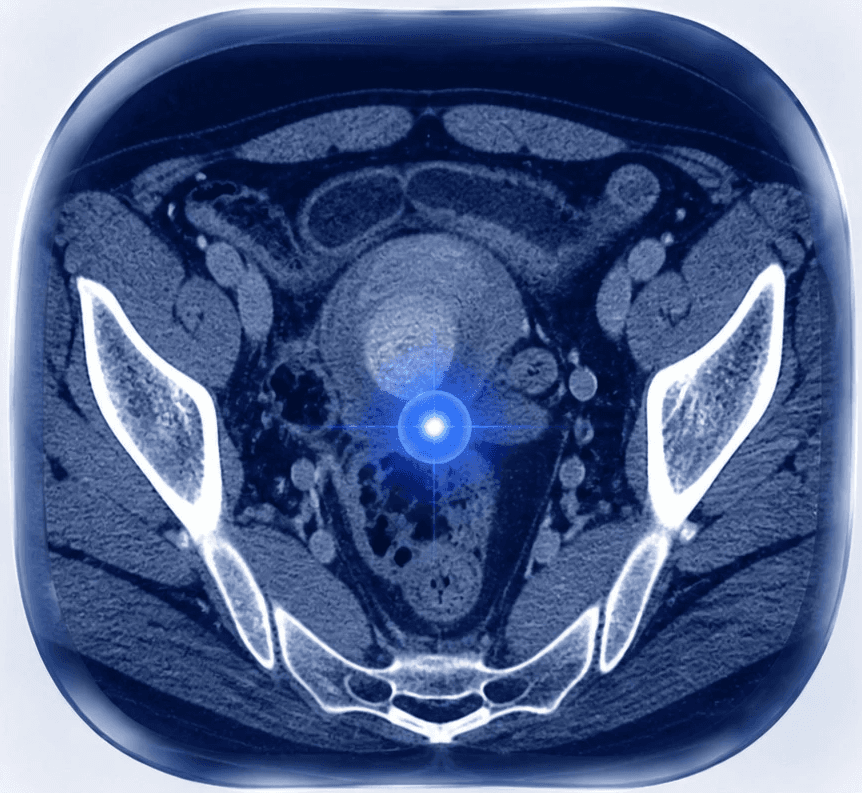
CT Imaging
Contrast-enhanced CT provides detailed information about:
The size and location of liver lesions
The number of tumor present
Their relationship to nearby blood vessels and organs
CT imaging is also an important tool for treatment planning.
MRI
MRI provides detailed soft tissue imaging and is often used when further characterisation of a liver lesion is needed.
It can help specialists distinguish between different types of liver abnormalities and evaluate tumour characteristics.
Ultrasound
Ultrasound is a widely used imaging method that allows real-time assessment of liver lesions.
It is also frequently used during image-guided procedures.
Image-Guided Biopsy
Sometimes imaging alone cannot determine the exact nature of a liver lesion.
In these situations, a small tissue sample may be taken using image guidance. This allows specialists to analyse the cells and establish an accurate diagnosis.
How Liver Tumor Are Evaluated
Every liver tumour is different.
Specialists consider several factors when evaluating a liver lesion, including:
Tumour type
Tumour size
Number of lesions
Location within the liver
Relationship to blood vessels
Liver function
Overall health
Previous cancer treatments
The aim is to understand the individual situation and identify the most appropriate management strategy.
The Role of Image-Guided Medicine
Modern imaging has transformed how liver tumor are diagnosed and managed.
Advanced CT and ultrasound technologies allow specialists to:
Identify lesions with high precision
Plan treatments around important anatomical structures
Obtain tissue samples safely when needed
Deliver targeted therapies for selected patients
Image-guided approaches are an important part of modern multidisciplinary liver tumour care.
When Should You Seek Specialist Assessment?
A specialist review may be recommended if you:
Have been diagnosed with a liver tumour
Have an unclear liver lesion found on imaging
Need further evaluation of a liver mass
Have liver metastases from another cancer
Want to understand available treatment options
Early specialist assessment can help clarify the diagnosis and determine the most appropriate next steps.
Why Choose Nordic Focal Therapies?
Nordic Focal Therapies brings together extensive university hospital experience and expertise in image-guided minimally invasive medicine.
Our specialists have extensive experience in interventional radiology, including advanced diagnostic procedures and targeted treatments for selected tumour conditions.
We believe in:
Precision through imaging. Care through expertise.
Every patient is assessed individually, with treatment decisions based on careful imaging review, clinical information, and personal goals.
Related Treatments
If you have been diagnosed with a liver tumour, we will discuss different treatment options depending on your individual situation in our consultation.
Learn more about:
→ Image-Guided Tumour Treatments
Frequently Asked Questions
Are all liver tumor cancerous?
No. Many liver lesions are benign and do not require treatment. Further imaging or biopsy can help determine the nature of an uncertain lesion.
How are liver tumor found?
Many liver tumor are discovered during CT, MRI, or ultrasound examinations performed for other reasons.
Does a liver tumour always require treatment?
Not always. The recommended approach depends on the tumour type, size, location, growth pattern, and the patient’s overall health.
Can liver tumor be treated without surgery?
Some selected liver tumor can be managed with minimally invasive image-guided treatments. Whether this is suitable depends on the individual case.
What happens after a liver tumour diagnosis?
After diagnosis, specialists review the imaging and medical information to determine the most appropriate next steps, which may include monitoring, additional tests, or treatment.